
(3-minute read)
As a knee arthritis specialist in Bristol, it's worth taking a closer look at the symptoms and treatment of knee osteoarthritis (OA) for patients visiting my clinic in Henleaze.
According to recent data reports, knee arthritis affects over five million people in the UK, with one in five adults aged over 45 suffering from some degree of knee osteoarthritis (OA).
According to the same statistics, knee OA cases in adults rose by 50% from 1990-2021.
Knee arthritis is now the most common form of arthritis in the UK, and has risen significantly over the last 30 years.
As a knee arthritis specialist in Bristol, I'm well-placed to provide advice, guidance and treatment for patients who are experiencing knee OA in differing degrees of severity.
What is knee osteoarthritis (OA)?
Arthritis in the knees is usually caused by a wearing down of cartilage in joints.
Wear on the cartilage, causes pain, inflammation and eventually, as cartilage is worn away, bone on bone wear, causing differing levels of pain as a result.
What are the symptoms of knee OA?
The common symptoms of knee OA to look out for often include pain (particularly during and after activity), swelling around the joint, restricted movement, tenderness, and muscular wasting in the quadriceps (front of thigh) muscles.
What causes knee arthritis?
Some of the contemporary causes of the increase in knee OA cases have been attributed to an ageing population with people living longer in general, but active lifestyles and poor conditioning causing wear and tear also play a significant part.
I often treat knee OA in patients over 60 suffering from wear and tear.
There are increasing obesity rates in the UK, which is also a significant factor, as increased weight puts high pressure on the knee, leading to early OA.
Genetics and diet are both important factors. Some people are more prone to arthritis in their knees. Poor diet can also be a negative influence on knee health.
I also see arthritic knee conditions with patients who have undertaken high-impact activities such as football, tennis and squash, where stop, start, and twisting motions are common.
Issues in the hips, back and feet can also be factors in knee arthritis with certain patients.
As a knee arthritis specialist in Bristol, I also see previous joint injuries playing a part in causing knee arthritis in later life for some patients whom I treat at my BS6 clinic.
How is knee OA treated?
It’s important to understand that we can’t cure knee arthritis, and in more severe cases, the best management is surgical knee replacement. This is generally very successful but should be considered a last resort.
Careful management and treatment of mild to moderate knee OA in Bristol can be as simple as improving knee strength, stability and mobility, and can offer good improvement in symptoms and function.
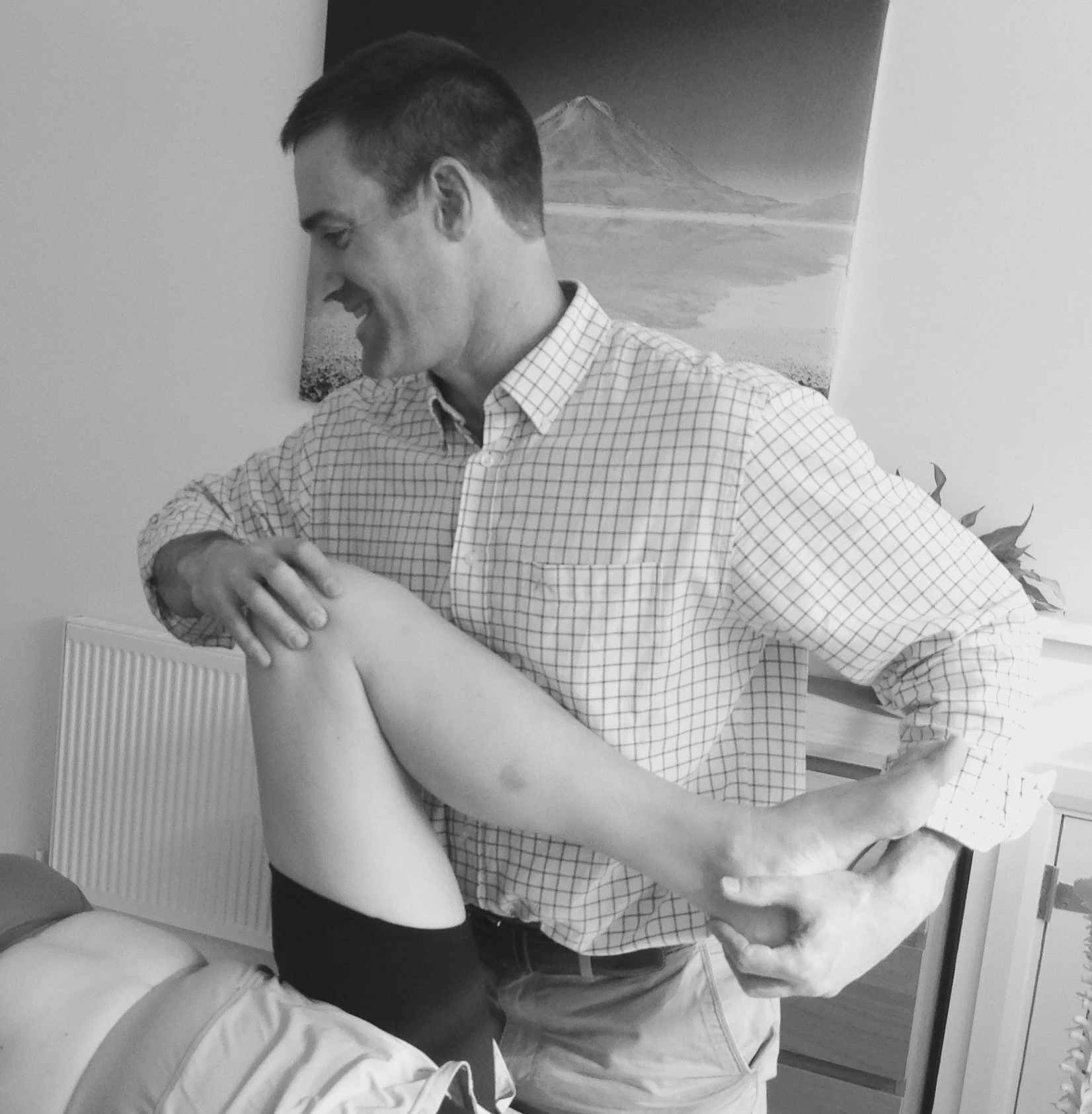
Osteopathic treatment, along with bespoke and specific exercises for all patients, is often enough to improve knee health and allow good function, and reduce pain.
The exercises are designed to strengthen the knee so preventing the need for surgery.
Dry Needling (a form of Western acupuncture) is a complementary treatment option for knee OA. It can improve the symptoms, reduce pain, improve knee function and help nerve pathway pain levels for patients.
Knee arthritis is often a slow progression, so strength work is critical in all patients, alongside a focus on mobilisation and articulation of joints to improve mobility and lubrication.
Can knee arthritis be cured?
Arthritis in the knees cannot be cured but it can be managed and treated successfully.
Sometimes, a patient requires referral for a full or partial knee replacement surgery, although the current UK NHS waiting lists are routinely in excess of a year for operations.
Osteopathic treatment can be a useful way to manage those patients who are waiting for surgery.
Some patients may need an MRI to provide a more detailed diagnostic insight into the health of their knee, which then clarifies the management pathway.
As an experienced specialist in knee arthritis issues in Bristol, I treat patients regularly.
I recently wrote an article about the management and treatment of arthritis in general - visit here to find out more.
For a consultation with a knee arthritis specialist in Bristol, please book in with me online here.