
(2-minute read)
Many patients come to my Henleaze clinic during the warmer months looking for treatment of plantar fasciitis in Bristol.
It is one of the most common causes of foot and heel pain, and can be straightforward to correct.
Who is affected by plantar fasciitis?
Plantar fasciitis often affects athletes, active individuals, and patients who spend many hours on their feet.
It can also be brought on by changing footwear, increasing activity levels, or changing sports. Any of these can trigger a tipping point requiring the treatment of plantar fasciitis.
How does plantar fasciitis happen?
The condition occurs when the plantar fascia (a thick band of tissue connecting the heel bone to the toes) becomes irritated or inflamed.
Plantar fasciitis can last for months, and is often linked to the back, pelvis and legs.
The mechanics of the foot means the ankle and knee are connected, as well as the lower back and pelvis. Tight joints, muscles and fascia can also play a part in causing plantar fasciitis.
I regularly see patients aged over 40 in Bristol who require plantar fasciitis treatments.
Can I treat plantar fasciitis at home?
For some patients, the treatment of plantar fasciitis in Bristol can be fully treated at home.
I often recommend rest, as reduced activity can allow the tissue to heal.
Stretching exercises are another key element of recovery at home.
Regular plantar stretches and calf muscle stretches can improve flexibility and reduce tension on the fascia. I provide patients with a comprehensive foot pain treatment plan.
How does an osteopath treat plantar fasciitis?
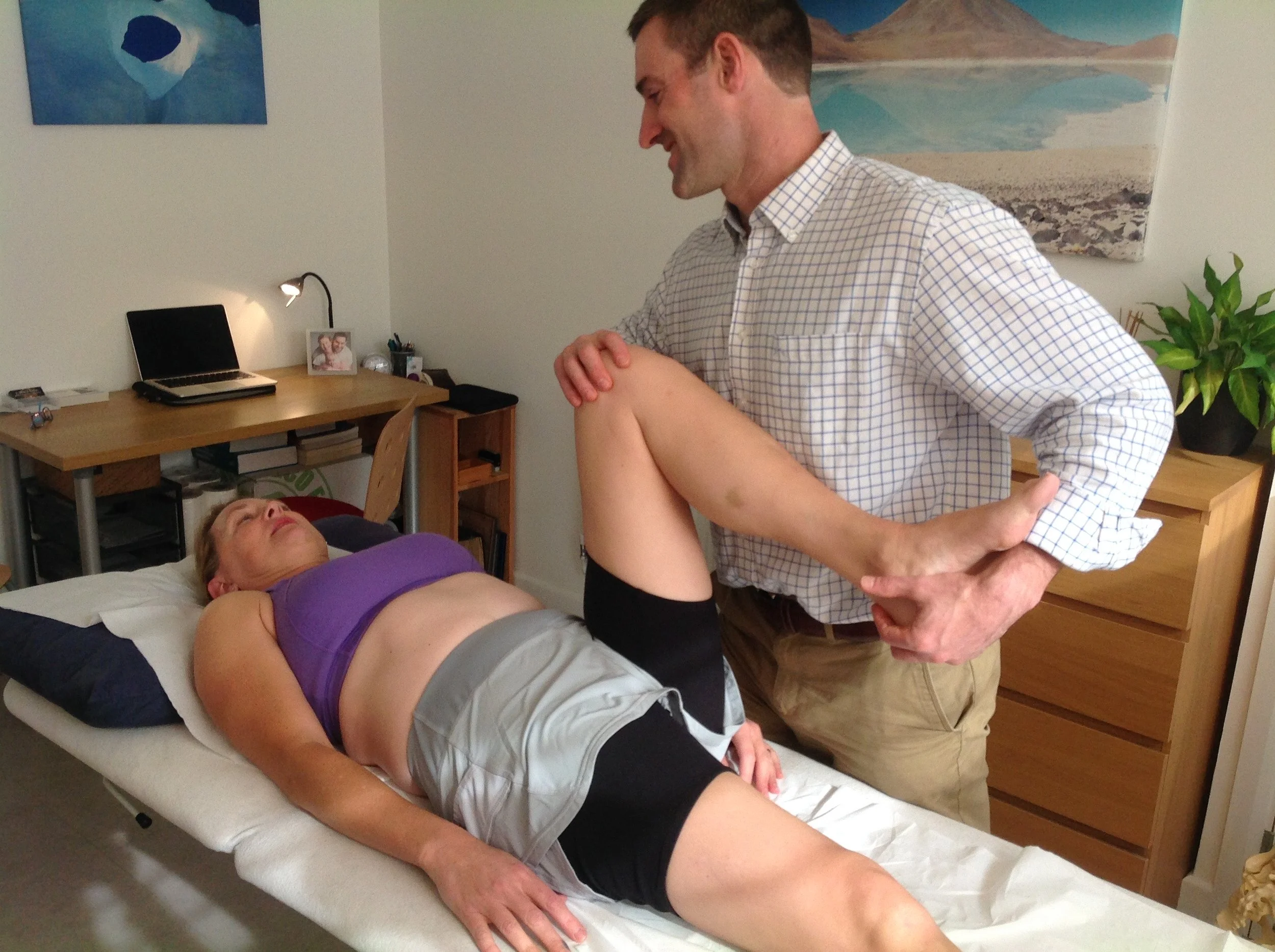
The first step when an osteopath treats plantar fasciitis in Bristol is to confirm the diagnosis, establish root causes, find the driving factors and provide specific exercises.
An osteopath can then provide local treatment and manual therapy.
I also recommend patients consider rolling foot massage, different footwear, and plenty of water. Hydration is critical for overcoming plantar fasciitis.
Core strength is important, so yoga and pilates can be very good, gentle exercise options.
To find out more about the benefits of gentle exercise, read this.
How can I prevent plantar fasciitis?
Prevention is always my preferred option for patients. Long-term foot health can be aided with a few key considerations.
I advise patients to focus on maintaining a healthy weight and undertaking daily stretching exercises. wearing supportive footwear and increasing activity intensity over time.
It is vital to pay attention to early signs of discomfort to prevent symptoms from worsening.
What’s the best treatment for plantar fasciitis in Bristol?
The best treatments for plantar fasciitis typically involve a combination of rest, stretching, supportive footwear and physical therapy.
Most of my patients experience significant improvement with manual therapy and return to their normal daily activities without surgery.
If you’re looking for ankle injury treatment, I recommend that you read this.
Where can I get treatment for plantar fasciitis in Bristol?
To book a consultation with me for the treatment of plantar fasciitis in Bristol, please visit here.