(2-minute read)
I treated a new patient yesterday who asked about the best treatment for a rotator cuff injury in Bristol. It is an increasingly common issue I see at my BS9 osteopathic clinic.
A rotator cuff injury can cause persistent shoulder pain, weakness, and difficulty with everyday activities such as reaching, lifting and sleeping.
Whether caused by a sports-related injury, gradual age-based wear and tear or overuse and repetitive movement, getting the right treatment for a rotator cuff injury in Bristol is vital for a better quality of life for a patient.
My main priority is always to help reduce patient pain and restore better shoulder function.
What is a rotator cuff injury?
The rotator cuff is a group of muscles that surround (cuff) and stabilise the shoulder joint and allow the arm to move fully and freely but in a controlled way.
A rotator cuff injury may involve inflammation, impingement and damage (tears) to the tendons, as well as wear and tear (degeneration). This area has a big range of movement but requires lots of stabilisation to avoid injury.
How is a rotator cuff injury caused?
Common causes of rotator cuff injuries that I treat in Bristol include repetitive overhead movements, heavy lifting, falls, contact sports and age-related degeneration.
Patients who often perform shoulder-based activities can have a higher risk of needing treatment for a rotator cuff injury.
What are the symptoms of a rotator cuff injury?
Symptoms will depend on the severity and cause of each individual injury that I treat.
Common signs of a rotator cuff injury can include:
Shoulder pain, usually in the upper arm, especially when lifting or reaching
Weakness lifting/raising the affected arm
Reduced and painful shoulder movement
The shoulder will often be painful at night
Difficulty reaching behind the back
Clicking or discomfort when moving shoulder
The diagnosis of a rotator cuff injury needs to be very specific, and although I usually find an osteopathic assessment is enough, sometimes an MRI scan or ultrasound is needed.
What are the treatment options for a rotator cuff injury?
The best treatment for a rotator cuff injury in Bristol will depend on the type and severity of the injury. Many minor rotator cuff injuries will resolve with conservative treatment plans, but classically can take weeks to resolve.
Some of the best treatments for rotator cuff injuries include:
Rest and activity modification - avoiding movements that aggravate the shoulder.
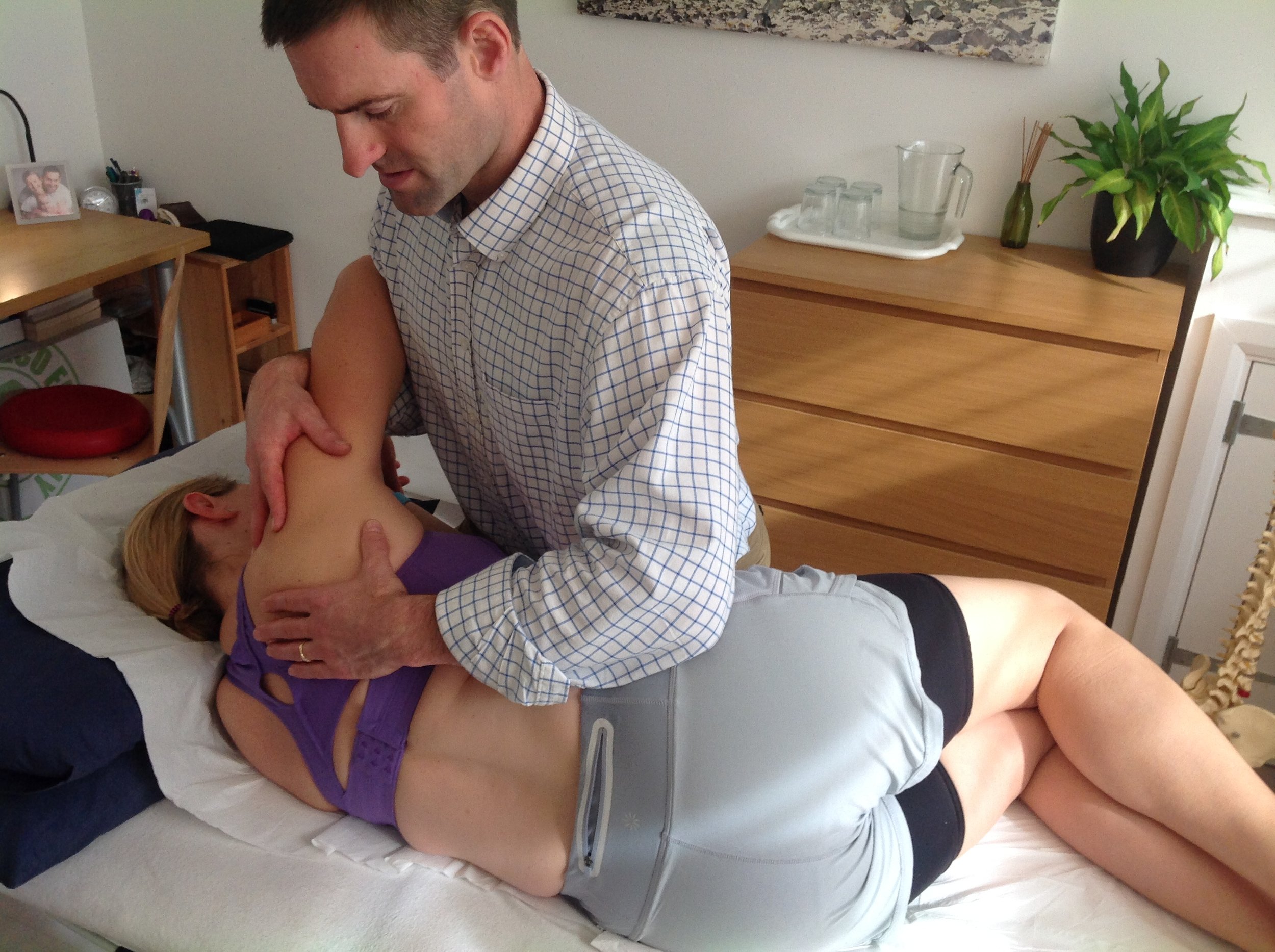
Osteopathic treatment: a structured programme of treatment from a qualified osteopath or physio can aid repair, improve shoulder strength, flexibility, movement and stability. Bespoke exercises focused on rehabilitation are also provided. It involves stability and mobilisation work and can take weeks.
More severe injuries can be more troublesome and may need referral. I have access to shoulder specialists when required.
Surgery: a severe or complete rotator cuff tear may require surgical repair.
I always advise patients with a rotator cuff injury to ensure that they allow plenty of time for the injury to heal and stabilise.
How long does a rotator cuff injury take to heal?
Recovery times vary. A mild strain can improve in weeks, while a tendon tear can require several months of rehabilitation following surgery.
Where can I book a rotator cuff injury treatment in Bristol?
To book a consultation with me in Bristol for rotator cuff injury treatment, visit here.